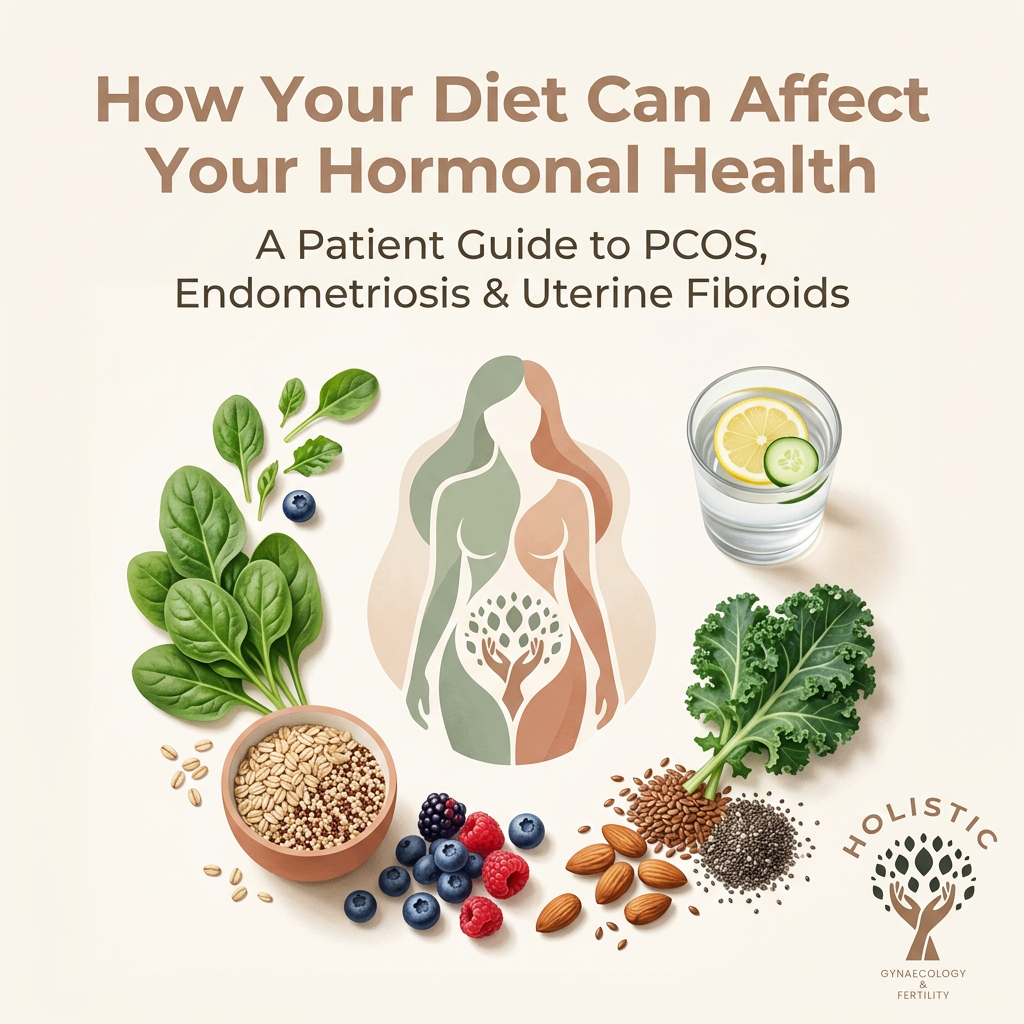
Many hormonal conditions affecting the reproductive system are closely linked to inflammation, hormonal imbalances, and metabolic health. While diet is not a cure for any of these conditions, the right nutritional choices can meaningfully support symptom management, hormone balance, and overall quality of life. This blog provides condition-specific guidance for Polycystic Ovary Syndrome (PCOS), Endometriosis, and Uterine Fibroids, which can help in PCOS treatment in Singapore.
Introduction
Important: Always discuss dietary changes with your doctor or a registered dietitian before making significant modifications, especially if you are trying to conceive or managing other health conditions.
PART 1: Polycystic Ovary Syndrome (PCOS)
What is PCOS?
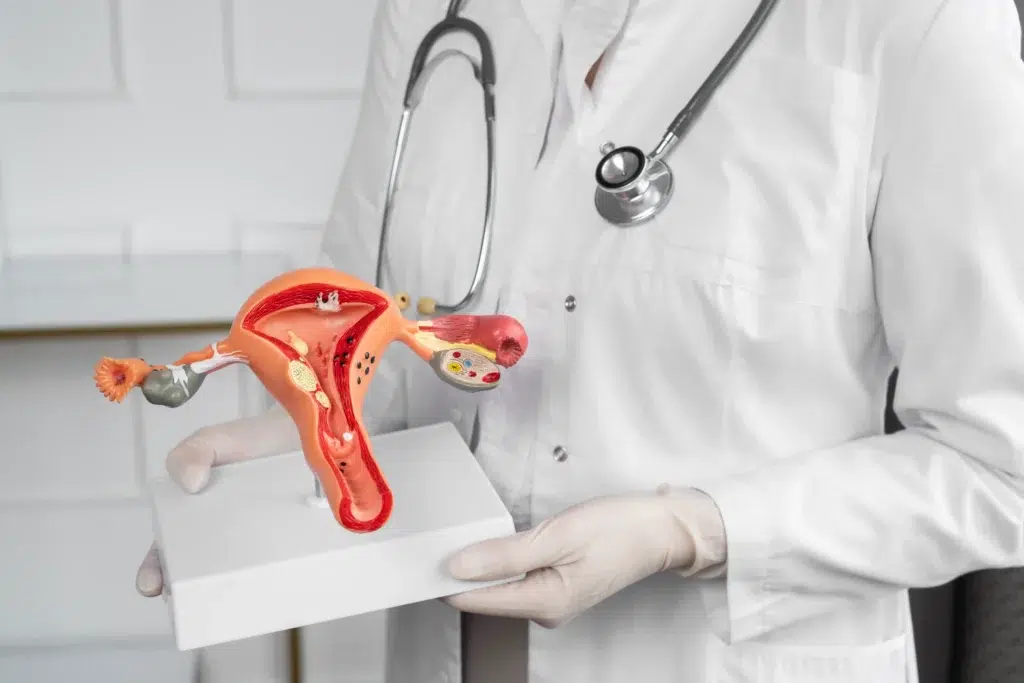
PCOS is one of the most common hormonal conditions in women of reproductive age, affecting up to 10–13% of women worldwide. It involves a combination of irregular periods, elevated male hormones (androgens), and/or polycystic ovaries. Many women with PCOS also have insulin resistance, where the body does not respond effectively to insulin, leading to higher blood sugar and greater androgen production.
Why Does Diet Matter in PCOS?
Diet and lifestyle changes are considered first-line interventions for PCOS management. The right diet can:
A systematic review of dietary patterns in PCOS found that changes in diet produced significant improvements in weight, fasting insulin, free testosterone levels, and even ultrasound findings of the ovaries.
✅ Foods to Prioritise
🥦 Low-Glycaemic Index (GI) Fruits & Vegetables
Choose non-starchy vegetables and low-GI fruits (e.g., berries, leafy greens, broccoli, capsicum). These help keep blood sugar stable and reduce insulin spikes, which are a key driver of PCOS symptoms.
🌾 Whole Grains
Swap refined carbohydrates (white bread, white rice, pastries) for whole grain alternatives like oats, quinoa, brown rice, and wholemeal bread. Whole grains provide fibre, which slows glucose absorption and supports insulin regulation.
🐟 Oily Fish & Omega-3 Fats
Oily fish such as salmon, sardines, and mackerel are rich in omega-3 fatty acids, which help reduce the chronic inflammation seen in PCOS. Aim for 1–2 portions per week. Plant-based alternatives include chia seeds, flaxseeds, walnuts, and seaweed.
🫘 Legumes & Plant Proteins
Lentils, chickpeas, beans, and tofu are excellent low-GI protein sources that support blood sugar control and provide fibre.
🥜 Nuts & Seeds
Rich in healthy fats, zinc, and magnesium. Zinc deficiency has been linked to worsening PCOS symptoms, and dietary sources include nuts, pumpkin seeds, sesame seeds, eggs, and fish.
🍅 Anti-Inflammatory Foods
Pomegranates, onions, garlic, tomatoes, and brightly coloured vegetables contain antioxidants and polyphenols that help lower inflammation and support hormonal balance.
🥛 Low-Fat Dairy (in moderation)
Low-fat dairy contains calcium and vitamin D, which work together to improve insulin sensitivity and support sex hormone balance in PCOS.
❌ Foods to Limit or Avoid
| Food Type | Why to Limit |
|---|---|
| Sugary drinks, sweets, and pastries | Spike blood sugar and insulin |
| Refined carbohydrates (white bread, white rice) | Low in fibre, promotes insulin resistance |
| Processed & ultra-processed foods | Contain trans fats and additives linked to inflammation |
| Excess saturated fat (red meat, fast food) | Can worsen cholesterol and metabolic risk |
| Alcohol | Can disrupt hormone metabolism |
💊 Supplements Worth Discussing with Your Doctor
Several supplements have evidence for benefit in PCOS:
⚠️ Always take supplements under medical supervision.
⚖️ Weight Management in PCOS
Even a 5–10% reduction in body weight has been shown to improve both metabolic and reproductive aspects of PCOS, including restoring ovulation and reducing androgen levels. However, there are benefits to a healthy lifestyle even in the absence of weight loss - dietary quality matters independently.
🍽️ Food Sequencing for PCOS - Does the Order You Eat Matter?
Yes - and the evidence is compelling. Food sequencing refers to the deliberate order in which you consume different food groups within a single meal. Research shows this simple, free strategy can significantly reduce blood sugar and insulin spikes after eating - without changing what you eat or how much you eat.
For women with PCOS, where insulin resistance drives many symptoms, food sequencing is an accessible and practical tool to add to your dietary toolkit.
🔬 What Does the Research Say?
Multiple clinical studies have demonstrated that eating vegetables and/or protein before carbohydrates produces significantly better blood sugar control compared to eating carbohydrates first:
🥗 The Recommended Sequence
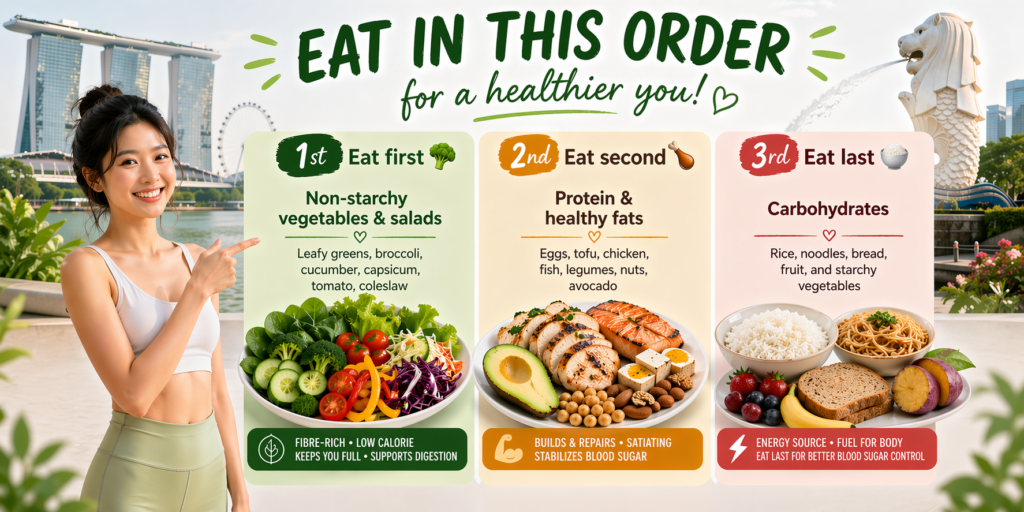
Follow this simple 3-step order at every meal:
| Step | Food Group | Examples |
|---|---|---|
| 1st - Eat first 🥦 | Non-starchy vegetables & salads | Leafy greens, broccoli, cucumber, capsicum, tomato, coleslaw |
| 2nd - Eat second 🍗 | Protein & healthy fats | Eggs, tofu, chicken, fish, legumes, nuts, avocado |
| 3rd - Eat last 🍚 | Carbohydrates | Rice, noodles, bread, fruit, and starchy vegetables |
⚙️ Why Does This Work?
When you eat fibre-rich vegetables first, they form a gel-like barrier in the stomach that slows the absorption of everything eaten afterwards. When protein and fat follow, they further slow gastric emptying. By the time carbohydrates are processed, glucose enters the bloodstream gradually rather than in a rapid spike. This means:
🍱 Practical Examples for Everyday Meals
Breakfast
✅ Start with a handful of cherry tomatoes or cucumber slices → then scrambled eggs or Greek yoghurt → finish with a slice of wholegrain toast or oats
Lunch (Asian-style)
✅ Eat your stir-fried vegetables first → then tofu, chicken, or fish → finish with your portion of brown rice or noodles
Dinner
✅ Begin with a side salad or soup → then your protein (grilled fish, chicken, or legumes) → end with your rice, potato, or pasta
Snacks
✅ Pair carb-heavy snacks with protein or fat to blunt glucose spikes - e.g., apple slices + almond butter, or fruit + a small handful of nuts
⚠️ Important Notes on Food Sequencing
PART 2: Endometriosis
What is Endometriosis?
Endometriosis affects approximately 10% of women of reproductive age worldwide. It is a chronic inflammatory, oestrogen-dependent condition in which tissue similar to the uterine lining grows outside the uterus, causing pain, heavy periods, and in some cases, infertility. Gut and gastrointestinal symptoms - including bloating, constipation, and diarrhoea - are also common.
Why Does Diet Matter in Endometriosis?
Endometriosis involves oestrogen dominance, chronic inflammation, and oxidative stress - all of which are influenced by diet. Emerging evidence shows that dietary patterns may modulate:
Changes to diet have been among the highest-rated self-management strategies for reducing pelvic pain and gastrointestinal symptoms in patient surveys.
Important note: Diet is a supportive strategy, not a replacement for medical or surgical treatment. It should form part of a multidisciplinary approach.
✅ The Mediterranean Diet - The Best-Supported Approach
The Mediterranean diet is the most consistently evidence-supported dietary pattern for endometriosis. It is characterised by:
Why it helps: This diet is rich in antioxidants, omega-3 fatty acids, and polyphenols that:
In a clinical study of women with confirmed endometriosis on a 6-month Mediterranean diet intervention, significant improvements in pain were reported.
✅ Specific Foods & Nutrients to Focus On
🐟 Omega-3 Fatty Acids
Prioritise fatty fish (salmon, sardines, mackerel), walnuts, and chia seeds. Omega-3s reduce inflammatory prostaglandins, which drive menstrual pain.
🫐 Antioxidant-Rich Foods
Berries, leafy greens, colourful vegetables, and green tea help combat oxidative stress, which is elevated in endometriosis.
🥗 High-Fibre Foods
Fruits, vegetables, legumes, and whole grains support oestrogen elimination through the bowel. A diet higher in fruit fibre has been associated with a reduced risk of endometriosis in two independent studies.
☀️ Vitamin D
Women with endometriosis often have lower vitamin D levels. Supplementation has been shown to reduce pelvic pain and improve inflammatory markers in some studies. Food sources include fatty fish, egg yolks, fortified dairy, and UV-exposed mushrooms.
🫒 Extra Virgin Olive Oil
Rich in unsaturated fatty acids and anti-inflammatory phytochemicals, olive oil is a key component of the Mediterranean diet and may help reduce disease-related inflammation.
🍵 Green Tea - Promising but Emerging
Green tea contains Epigallocatechin Gallate (EGCG), a powerful antioxidant polyphenol. Preclinical studies consistently show that EGCG:
A human clinical trial (n=185) examining high-dose EGCG in women with endometrioma has been conducted, but results have not yet been fully published. Until robust human trial data are available, EGCG cannot be recommended as a treatment. However, enjoying 2–3 cups of green tea daily as part of a broader anti-inflammatory diet is safe and reasonable.
⚠️ High-dose EGCG supplements (>800 mg/day) have been associated with liver toxicity and should not be taken without medical supervision.
❌ Foods to Limit or Avoid
| Food Type | Why to Limit |
|---|---|
| Red meat & processed meats | Associated with increased risk of endometriosis and elevated inflammatory markers |
| Trans fats (fried foods, margarine, pastries) | Strongly linked to increased endometriosis risk |
| Alcohol | Disrupts oestrogen metabolism and increases the inflammatory burden |
| Highly processed foods | High in additives, sugar, and unhealthy fats that worsen inflammation |
🚫 A Note on Restrictive Diets
There is a lot of misinformation about endometriosis diets online. Restrictive approaches such as strict gluten-free or dairy-free diets are not well-supported by current high-quality evidence and may lead to nutritional deficiencies and psychological burden. The exception is a low-FODMAP diet, which may be helpful for selected patients who experience symptoms consistent with irritable bowel syndrome (IBS) alongside endometriosis - this should be trialled only with dietitian guidance.
PART 3: Uterine Fibroids
What are Uterine Fibroids?
Uterine fibroids (also called leiomyomas or myomas) are benign (non-cancerous) growths in or around the uterus, made of muscle and fibrous tissue. They are the most common benign gynaecological tumour in women of reproductive age. Symptoms may include heavy or prolonged menstrual bleeding, pelvic pain or pressure, and in some cases, fertility issues.
Why Does Diet Matter in Uterine Fibroids?
Fibroids are driven by oestrogen and progesterone, and influenced by inflammation, oxidative stress, and hormonal balance - all of which are modifiable by diet. While diet cannot shrink existing fibroids or replace medical treatment, evidence suggests that what you eat may:
✅ Foods to Prioritise
🥦 Green & Cruciferous Vegetables
Broccoli, kale, cabbage, Chinese cabbage, and leafy greens are rich in phytochemicals (flavonoids, carotenoids, polyphenols) that help regulate cell proliferation, inflammation, and fibrosis - key mechanisms in fibroid development. Studies in Chinese populations have shown that regular consumption of cruciferous vegetables is associated with a significantly reduced prevalence of fibroids.
🍓 Fruits
A diet higher in fruits is consistently associated with a lower risk of uterine fibroids. Berries in particular contain anthocyanins that have shown anti-fibroid properties in laboratory studies.
🌾 High-Fibre Foods
Wholegrains, legumes, vegetables, and fruits provide fibre that supports oestrogen elimination through the bowel, helping to lower overall oestrogen exposure.
🐟 Oily Fish & Omega-3 Fats
Fatty fish (salmon, sardines, mackerel), flaxseeds, chia seeds, avocado, and walnuts are anti-inflammatory and support healthy hormone prostaglandin synthesis, which may help make periods more manageable.
☀️ Vitamin D
Vitamin D deficiency has been identified as a risk factor for uterine fibroid formation. Adequate levels may reduce the risk of fibroids by approximately 32%. Food sources include fatty fish, eggs, fortified dairy, and UV-exposed mushrooms. Discuss testing your vitamin D levels with your doctor.
🍵 Green Tea
Green tea contains antioxidants (especially EGCG) that may help slow fibroid growth by reducing inflammation and lowering oestrogen levels. It may also help with heavy bleeding-related anaemia.
🥛 Dairy Products
Calcium, phosphorus, and magnesium found in dairy products (yoghurt, cheese, fortified milk) may aid in the prevention and slowing of fibroid growth.
🍋 Potassium-Rich Foods
Bananas, citrus fruits, avocado, potatoes, tomatoes, and lentils help counterbalance blood pressure effects, which is relevant as hypertension is associated with more severe fibroids.
❌ Foods to Limit or Avoid
| Food Type | Why to Limit |
|---|---|
| Red meat & processed meats | Associated with higher oestrogen levels and increased fibroid risk |
| Sugar and refined carbohydrates | Promote insulin resistance and hormonal disruption |
| Alcohol | Increases systemic oestrogen levels |
| High-sodium processed foods | May worsen blood pressure, which is linked to fibroid severity |
| Trans fats & highly processed foods | Promote inflammation and hormonal imbalance |
🩸 Managing Heavy Periods & Anaemia
Heavy menstrual bleeding from fibroids can lead to iron deficiency anaemia. To support iron levels:
If you have very heavy periods, speak with your doctor about iron testing and possible supplementation.
Summary Comparison Table
| PCOS | Endometriosis | Uterine Fibroids | |
|---|---|---|---|
| Key dietary goal | Improve insulin sensitivity; reduce androgens | Reduce inflammation; lower oestrogen | Reduce oestrogen load; reduce inflammation |
| Best dietary pattern | Mediterranean / low-GI, anti-inflammatory | Mediterranean diet | Whole-food, plant-rich, anti-inflammatory |
| Key foods to eat | Oily fish, whole grains, legumes, low-GI fruits & veg | Oily fish, colourful veg, olive oil, fibre, green tea | Cruciferous veg, fruits, oily fish, vitamin D foods, green tea |
| Key foods to limit | Refined carbs, sugar, ultra-processed foods | Red meat, trans fats, alcohol | Red meat, sugar, alcohol, processed foods |
| Important nutrients | Zinc, vitamin D, inositol | Omega-3, vitamin D, antioxidants, EGCG | Vitamin D, iron (if anaemic), omega-3 |
| Food sequencing? | ✅ Strongly recommended - eat veg → protein → carbs last | Not specifically studied | Not specifically studied |
| Weight management | Yes - 5–10% loss improves symptoms | Supportive role | Supportive role |
| See a dietitian? | Strongly recommended | Yes, especially for GI symptoms | Yes, especially for symptom management |
When to See Your Doctor or Dietitian
Dietary changes work best as part of a comprehensive PCOS and Infertility Treatment Singapore. Please seek professional advice if:


© 2025 Holistic Gynaecology & Fertility. All Rights Reserved.


Monday - Friday | 09:00am - 01:00pm, 02:00pm - 05:00pm
Saturday | 09:00am - 01:00pm
Sunday & Public Holidays | Closed


